
7 Signs Your Floors Needs Replacing
Flooring does not last forever, but it rarely fails all at once. Instead, it gives you small warnings over time. The tricky part is knowing which warnings point to a simple repair and which ones mean it is time for a full replacement. Catching these signs early can save you money, protect the structure of your home, and spare you the frustration of paying twice for the same problem. Here are seven signs worth paying attention to.
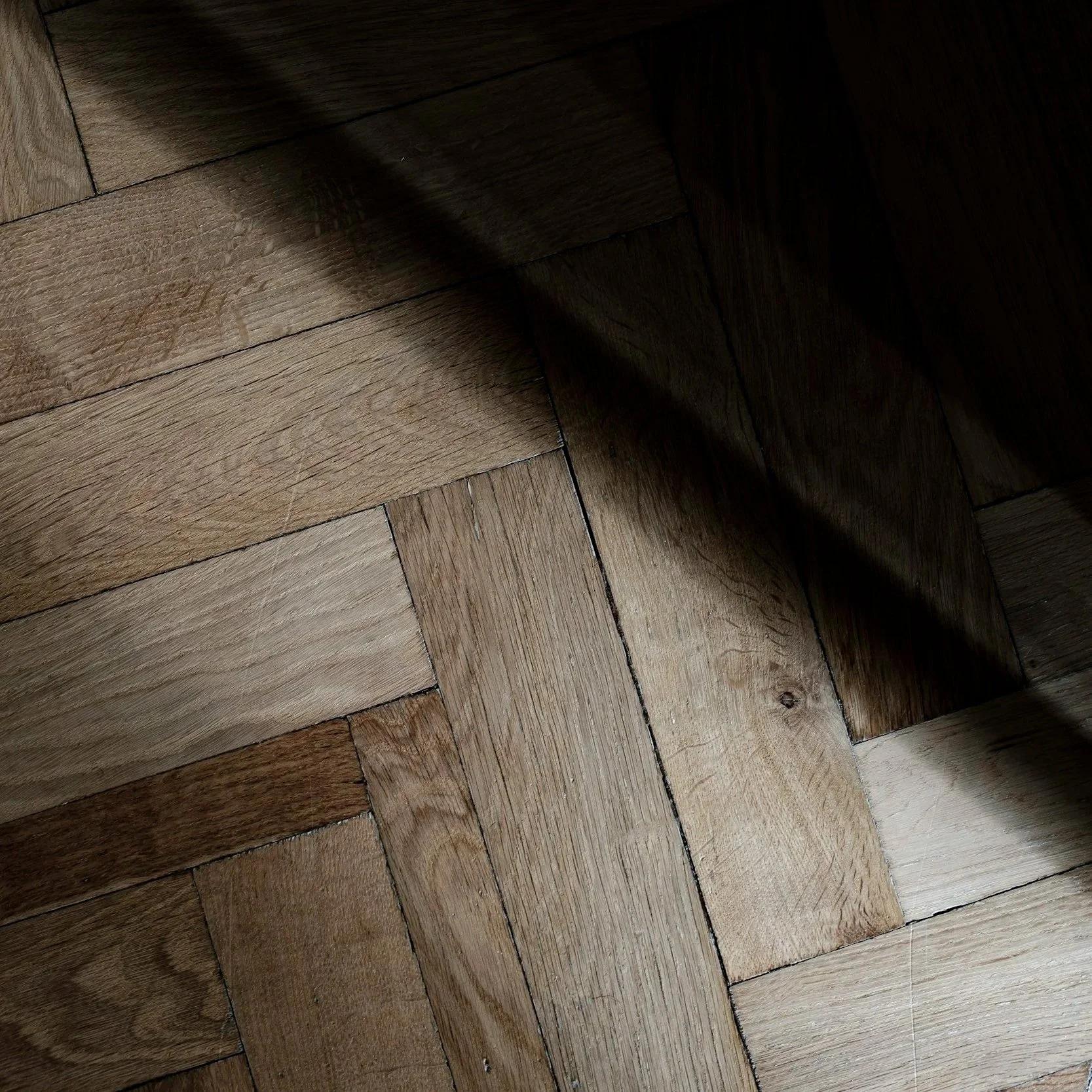
An aged parquet floor showing gaps, scratches, and a worn finish.
1. Boards that move or feel soft. If your floor flexes, bounces, or feels spongy when you walk across it, the problem is often below the surface. The layer underneath your flooring is called the subfloor, and when it gets wet or worn, it loses its strength. Soft spots almost always mean the subfloor needs attention, and no amount of surface repair will fix that.
2. Gaps, cracks, or splitting boards. Wood naturally expands and shrinks with the seasons, so small gaps that open in winter and close in summer are normal in Ontario homes. What is not normal is wide gaps that never close, boards that crack down the middle, or planks that splinter. These usually signal that the material has reached the end of its life.
3. Water stains or warping. Dark stains, cupped edges that curl upward, or planks that lift and buckle are classic signs of moisture damage. Once water gets into flooring, it rarely comes back out cleanly. Refinishing hides the surface but does not solve what is happening underneath, so the damage tends to return.
4. Deep scratches and a worn finish. Many floors can be sanded and recoated a few times over their life. But once the scratches reach past the top layer, or the finish no longer protects the material, sanding stops being an option. At that point, replacement gives you a better and longer lasting result.
5. Stubborn odours. A musty or damp smell that will not go away, even after a deep clean, often means moisture or mold is trapped beneath the floor. This is worth taking seriously, because it can affect both your air quality and the wood or subfloor below.
6. Loose or lifting tiles. Tiles that rock, pop up, or sound hollow when you tap them have usually lost their bond with the surface beneath. Once a few go, the rest often follow, and patching one tile at a time rarely holds for long.
7. It simply looks tired. Sometimes a floor is perfectly safe but dated, faded, or just no longer suits your home. That is a completely valid reason to replace it. Your floors set the tone for every room, and living with something you dislike day after day has its own cost.
One or two of these signs on their own might only call for a repair. Several showing up together usually means replacement is the smarter long-term choice.
Not sure which category your floors fall into? That is exactly the kind of thing we can help with. Get in touch with Guild Wright and we will take a look, walk you through your options, and give you honest flooring advice with no pressure.
